
I’m going to iterate the format of my Head & Heart posts (again) and, inspired by Dan Pink’s recent changes to his newsletter, instead of trying to comprehensively capture all the interesting (at least to me) things I’ve been consuming, doing, thinking and feeling, I’m simply going to focus on sharing three things that have caught my attention – a blog post, book, podcast episode, quote etc.
1. New Friendship is the Last Great Romance
I don’t know whom I’ll meet and I don’t know if we’ll have a pleasant, but forgettable connection, or if some part of me will light up in her presence and crave to keep lighting up. I don’t know if our illumination will be reciprocal. Maybe I’ll be totally hyped by being in her presence and she’ll find me interesting enough but not someone she can’t live without. That’s the risk, and it’s part of what makes the whole endeavor so intriguing.
I love love love Courtney Martin’s writing. We’re roughly the same age, with two young kids, and often when reading her posts I feel like she has perfectly captured what’s going on in my head/life. This piece about initiating new female friendships as an adult is lovely.
2. Running as Spiritual Practice
This episode of the On Being podcast made me so excited about getting back into running in a couple of months time once by body is fully recovered from L’s birth.
3. Eve Ensler: Happiness in body and soul (TED)
…happiness exists in action; it exists in telling the truth and saying what your truth is; and it exists in giving away what you want the most.
Eve Ensler’s advice about giving away what you want the most is something that I often find myself thinking about and it came up again in a conversation this week, so I’ve gone back and listened to her wonderful TED talk and also to her On Being interview with Krista Tippett (which now makes me want to re-read In the Body of the World).
————————
Some other updates…
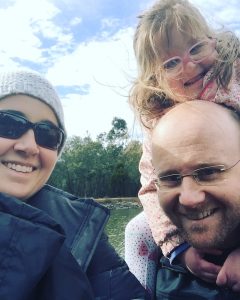
- Today I finished my latest attempt at the #100happydays photo project (it took me about 145 days but I got there in the end). This is one of the most consistently beneficial practices for my happiness. It forces me to actively look for and appreciate the moments of happiness each day (even if the day on the whole feels hard or exhausting). Photos are on Instagram.
- I’ve been less successful with The Minimalism Game though. A week of visitors + E’s birthday meant that I got a bit distracted (and we had an influx of new stuff as a result of the birthday celebrations). I reckon I got rid of 200 items/books/pieces of clothing, but the house feels as full as ever. August provides a new opportunity to start again.
- I’m excited to be working on an upcoming Lead Mama Lead workshop on Creating Your Own Definition of Success. If you’re in Canberra please consider coming along.

